Large herbivores are a major focus of our Rewilding Legal Innovation Lab. Across the UK and Europe, we’re working with projects and partners to develop the legal innovation needed to enable these species to live in wild and semi-wild conditions and fulfil their role as ecosystem engineers.
Through grazing, browsing, disturbance, movement and nutrient cycling, large herbivores create and maintain many of the ecological processes upon which functioning ecosystems depend.
Many of the wild animals that historically fulfilled these roles are now extinct or absent across much of the UK and Europe. Rewilding projects are increasingly seeking to restore these ecological functions, either through the reintroduction of locally extinct species or through the use of ecological proxies that can perform similar roles.
However, legal systems have often struggled to keep pace with these approaches.
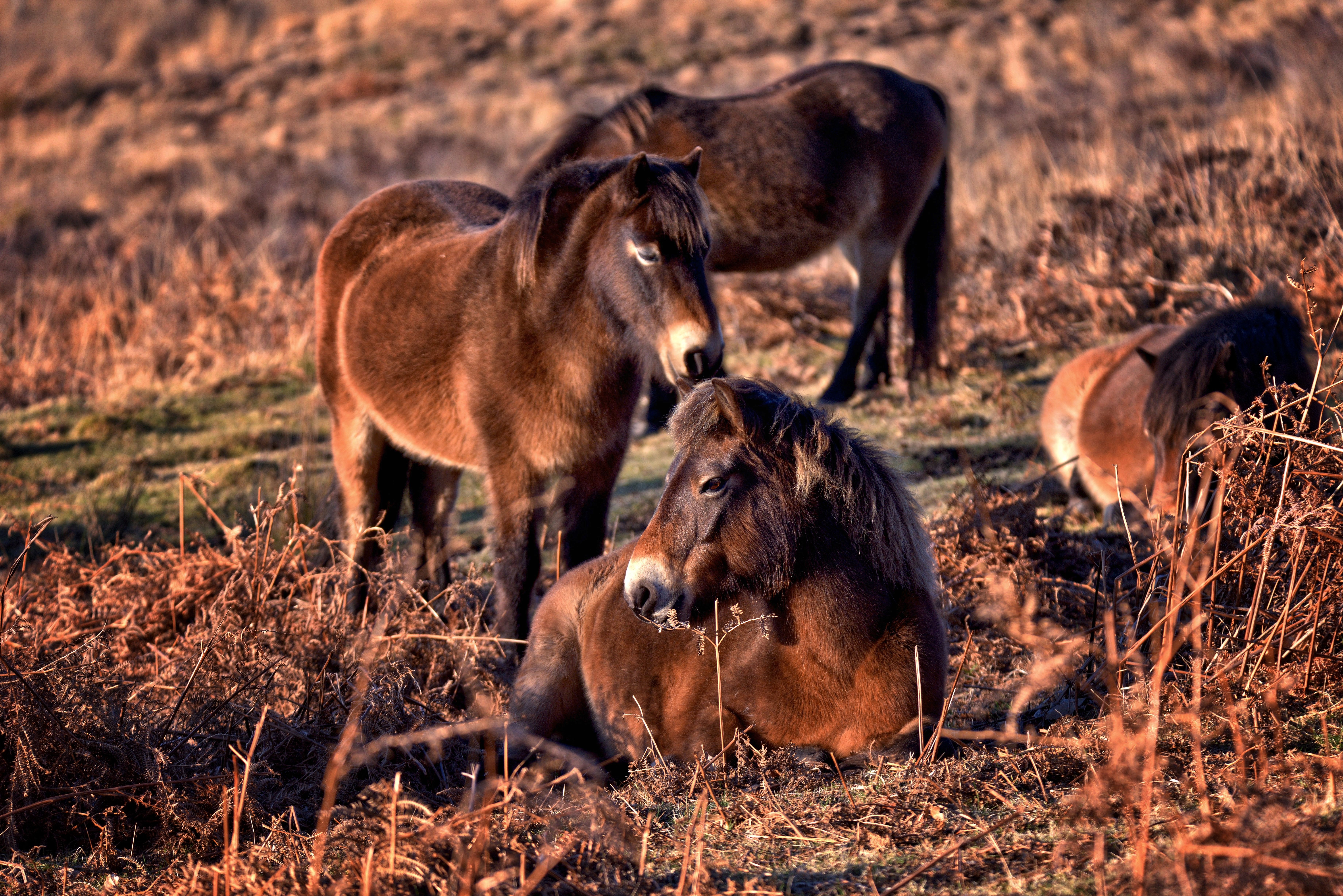
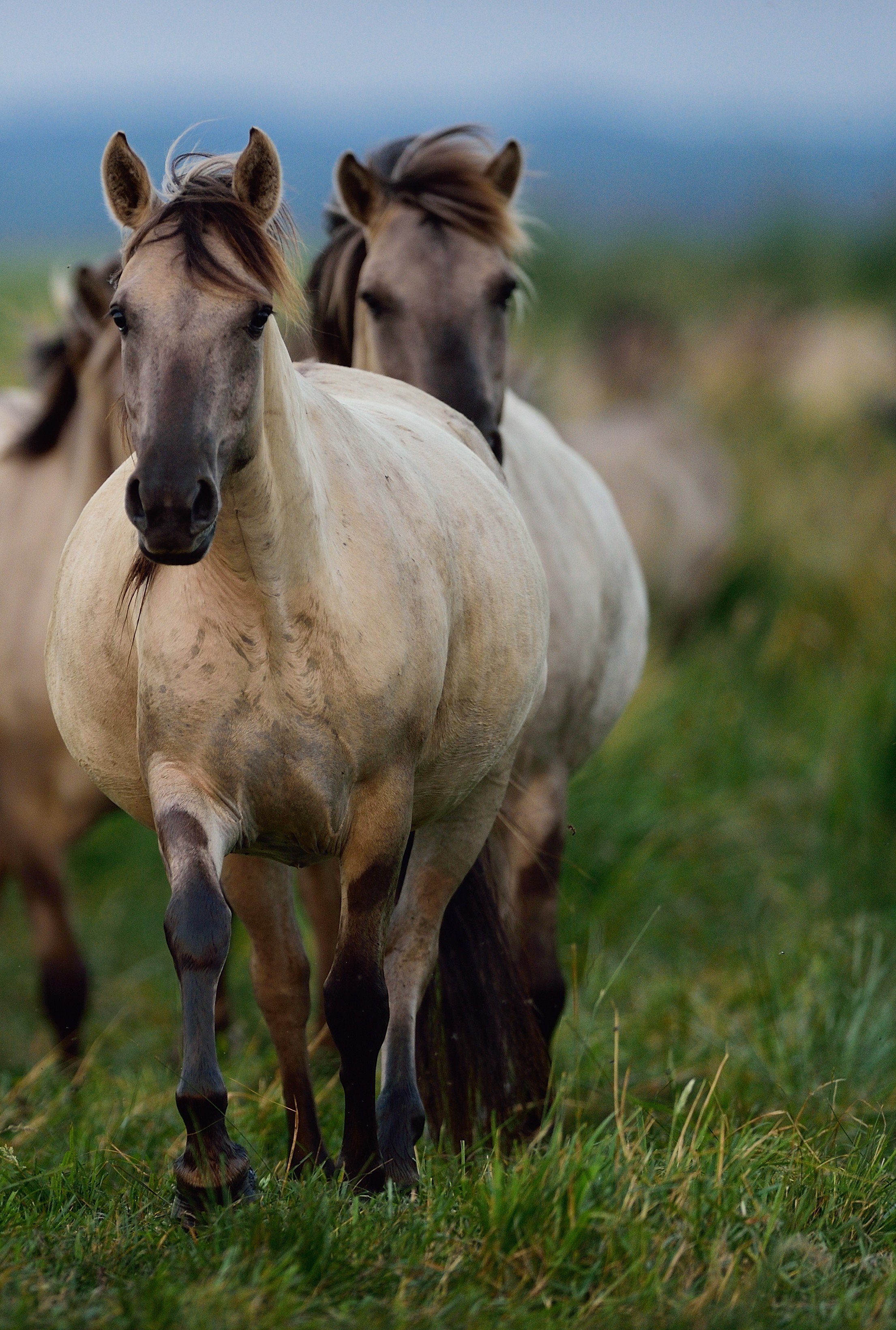
Where ecological proxies are used, laws frequently classify them as domestic animals or livestock. This means they become subject to legal frameworks designed primarily for agricultural production; including registration, identification, movement and disease-control requirements that demand high levels of human intervention and control. These restrictions can limit the ability of animals to behave naturally, and reduce their capacity to deliver the ecological processes rewilding projects are trying to restore.
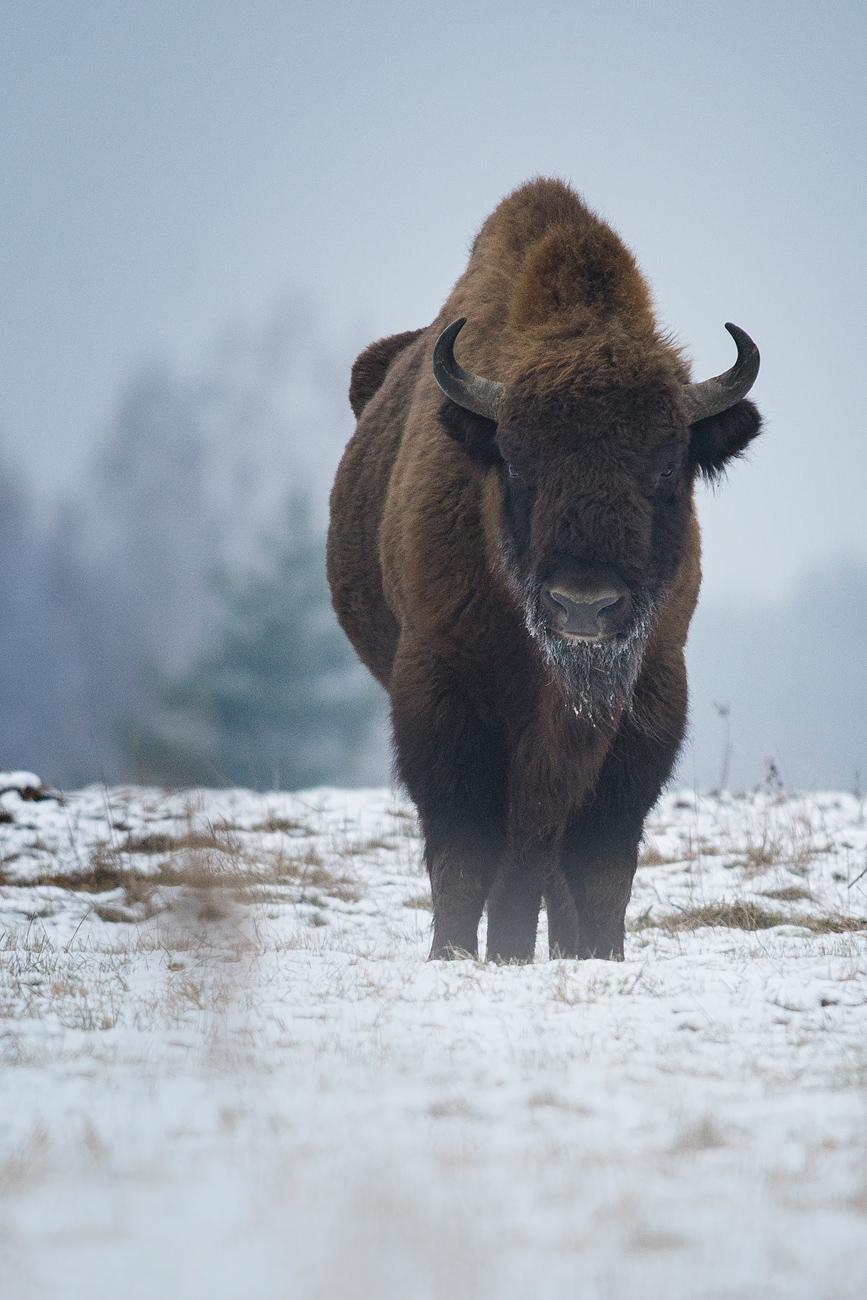
Even where locally extinct wild herbivores such as European bison (Bison bonasus) and elk (Alces alces) are reintroduced, legal frameworks are often fragmented, unclear or difficult to navigate.
Looking for more information about their ecological role? Explore the illustrated resources developed by the Large Herbivore Working Group, of which Lifescape is a founding member.